Table of Contents
ToggleYour living room is where life happens, where friends gather, families relax, and you unwind after a long day. But if yours is feeling tired or uninspired, 2025 offers a fresh approach to living room decor that moves beyond trendy aesthetics into genuine comfort and sustainability. This year’s design trends focus on warm minimalism, natural materials, and thoughtful layouts that actually work for real life. Whether you’re planning a complete refresh or just tweaking a few elements, these 2025 decor ideas will help you create a space that feels both current and inviting for years to come.
Key Takeaways
- 2025 living room decor ideas emphasize warm minimalism with natural materials like linen, wool, and raw wood that age gracefully and add genuine depth without clutter.
- Create cohesive color schemes by choosing three colors—a primary neutral, a secondary warm or cool tone, and one accent—preventing visual chaos while maintaining personality.
- Arrange furniture in conversation-centered layouts that face a focal point (fireplace, window, or art) rather than the TV, using floated arrangements and area rugs to enhance comfort and flow.
- Layer three types of lighting—ambient, task, and accent—with bulbs in the 2700K to 3000K color temperature range and dimmer switches to transform mood and functionality.
- Achieve budget-friendly updates through strategic furniture rearrangement, DIY accents like gallery walls and floating shelves, and layering pieces over time instead of buying everything at once.
- Design your living room around how you actually live, prioritizing practical solutions like performance fabrics for families with pets and comfortable work spots if you’re working from home.
Warm Minimalism and Natural Textures Dominate 2025 Decor Trends
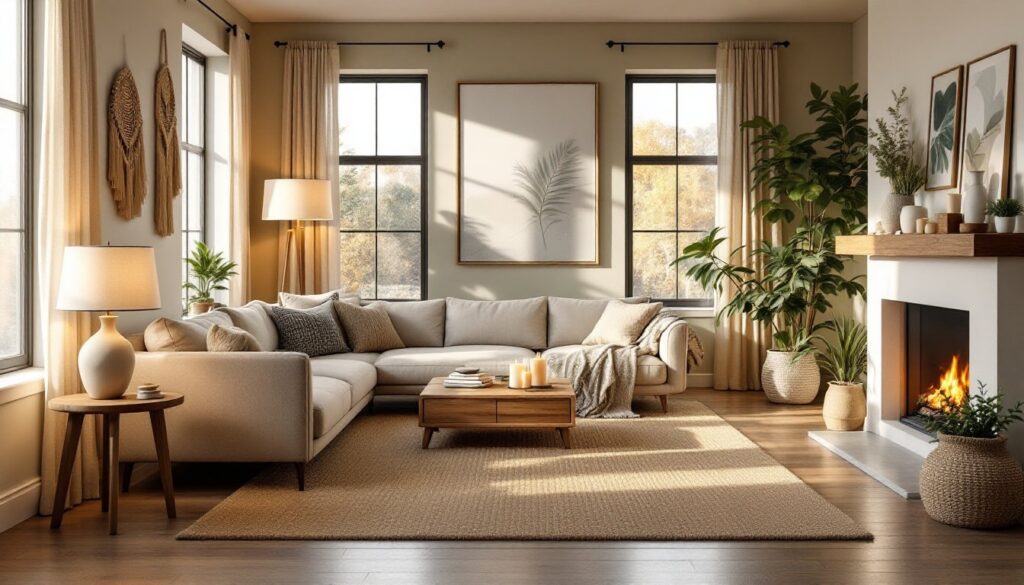
The era of stark, cold minimalism is fading fast. In 2025, the trend shifts toward warm minimalism, clean lines and uncluttered spaces paired with cozy, natural materials. Think linen, raw wood, wool, jute, and stone. These textures add depth and personality without creating visual chaos.
Warm minimalism means you’re intentional about every piece in your living room. Each item should either serve a function or bring genuine joy. That doesn’t mean sparse or sterile: it means purposeful. A chunky knit throw, a solid wood coffee table, or a linen sectional all fit perfectly into this aesthetic.
Natural fibers are the backbone of this trend. Jute rugs, linen upholstery, wool area rugs, and unfinished wood furniture all contribute to a grounded, organic feel. When you’re sourcing new pieces, look for materials that age gracefully and improve with use rather than fall apart. Recent interior design trends confirm that authenticity and durability are reshaping how homeowners approach their spaces. Skip the plastic finishes and embrace the real thing.
Color Palettes: From Earthy Neutrals to Soft Jewel Tones
2025 color palettes break away from pure white walls and beige everything. Instead, expect warm earth tones, terracotta, ochre, warm grays, and soft creams, paired with understated jewel tones like sage green, dusty blue, and muted teal.
For a living room, consider a neutral base (walls, large furniture) in warm white, soft taupe, or greige (gray-beige hybrid). Then layer in personality through accents. A single wall painted in sage or a dusty forest green creates focal-point interest without overwhelming the space. Textiles, throw pillows, blankets, rugs, are perfect vehicles for introducing richer colors.
The key is restraint. Instead of five different colors competing, pick three: a primary neutral, a secondary warm or cool tone, and one accent color. This approach makes the room feel cohesive rather than chaotic. Soft jewel tones work especially well in fabrics and art, where they can really shine without dominating the architecture. When choosing paint, sample large swatches on your walls and observe them at different times of day, lighting dramatically changes how colors appear.
Furniture Layout Strategies for Maximum Comfort and Flow
Layout is where most living rooms fail. People arrange furniture around the TV or push everything against walls, creating a room that feels awkward and disconnected. In 2025, the shift is toward conversation-centered layouts that actually encourage people to interact.
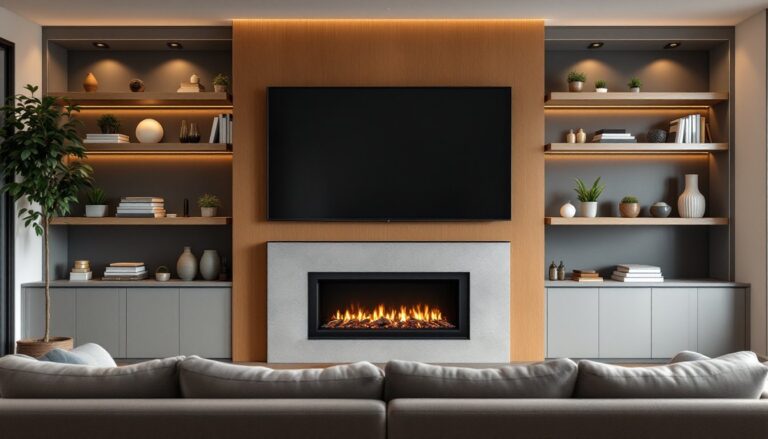
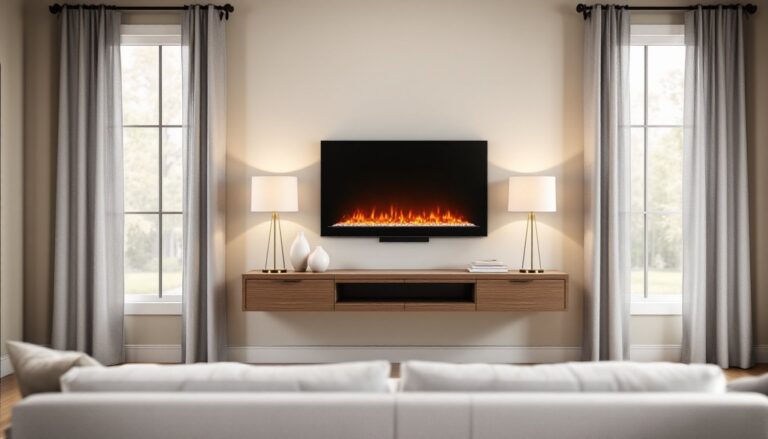
Start by identifying your room’s natural focal point, it doesn’t have to be the television. It could be a fireplace, a beautiful window, or even a piece of art. Arrange your seating to face that focal point while also facilitating conversation. If you must include a TV, consider mounting it on a swivel arm or placing it off to the side so it’s not the first thing your eye lands on.
Flotation layouts, where furniture floats in the center of the room rather than hugging walls, work brilliantly in larger spaces and make rooms feel more intentional and inviting. An area rug anchors a floated seating arrangement beautifully. For a practical approach, living room furniture ideas outline how to select pieces that support your layout before you buy them. Measure doorways, traffic paths, and the distance between seating pieces. Leaving at least 18 inches between a sofa and a coffee table creates comfortable leg room without feeling cramped.
Lighting Design: Layering Light for Ambiance and Function
Lighting is the secret weapon that separates a room that looks good from one that feels good. Most living rooms rely on a single overhead fixture, which is harsh and uninviting. Instead, layer three types of light: ambient (general room lighting), task (reading, work), and accent (mood, visual interest).
Ambient light might come from recessed ceiling lights, a chandelier, or wall sconces set on dimmers so you can adjust brightness throughout the day. Task lighting includes table lamps on side tables or floor lamps beside reading chairs. Accent lighting, think LED strips behind floating shelves, uplighting behind plants, or candles on the mantel, adds warmth and visual depth.
Here’s the practical part: use bulbs in the 2700K to 3000K color temperature range for warm, inviting light. Cooler bulbs (4000K+) belong in kitchens and offices, not living rooms. Install dimmer switches on as many circuits as possible, the ability to adjust light levels transforms a room’s mood without redecorating. Mixing different light sources also reduces eye strain and creates natural visual rhythm. Consider your furniture scale when selecting lamp sizes: oversized lamps dwarf small spaces, while tiny lamps disappear in large rooms.
Budget-Friendly Updates: Decor Swaps and DIY Accents
You don’t need to gut your living room to make it feel fresh. Strategic swaps and DIY accents deliver major impact without very costly.
Start with what you already own. Rearrange furniture, flip your throw pillows to their reverse side (if you’re tired of them), and move artwork to different walls. Swap in new throw blankets, updated lamp shades, or different area rugs. These changes cost little but completely reset a room’s vibe. Area rugs are powerful tools for anchoring furniture and introducing color or pattern without permanent commitment.
DIY accents are another goldmine. Paint geometric patterns on a wooden tray, wrap bare shelves with contrasting fabric, create a gallery wall of affordable prints, or build simple floating shelves from 1×10 lumber and wall brackets for under $30 per shelf. Repurpose thrifted frames, stain wood pieces to update finishes, or reupholster existing throw pillows with new fabric from your local fabric store. These small projects take a weekend and cost a fraction of buying new furniture. Macramé wall hangings, woven baskets, and potted plants are inexpensive ways to add texture that aligns perfectly with 2025’s natural-materials aesthetic.
Bringing It All Together: Creating Your 2025 Living Room
Now that you understand the trends, how do you synthesize them into an actual living room that feels authentic to you? Start with a mood board. Gather inspiration from design sites like House Beautiful, Pinterest, or magazines. Screenshot rooms that resonate, even if they seem wildly different from each other, you’ll spot patterns in colors, materials, and layouts that reveal your personal style.
Next, commit to your base layer: paint color, flooring, and major furniture pieces. These anchor everything else. Once those are settled, build outward with textiles, lighting, and accents. A common mistake is buying all at once and ending up with a too-coordinated, showroomy feel. Instead, layer pieces over time. Buy your sofa, live with it for a month, then add a rug, then introduce pillows. This approach lets you course-correct and prevents design paralysis.
Be honest about how you actually use your living room. If you have kids and pets, a cream linen sofa isn’t practical, go for performance fabrics or darker tones. If you work from home sometimes, ensure there’s a comfortable spot for a task lamp and side table. Design resources like MyDomaine offer room-specific inspiration, but the best design is one that supports your real life. That’s what makes a living room feel like home rather than a space you’re afraid to use.
Conclusion
Creating a fresh, inviting living room in 2025 isn’t about following every trend, it’s about choosing elements that align with warm minimalism, natural textures, and genuine comfort. Start small, stay intentional, and remember that the best living rooms evolve over time as your life changes. Your space should make you want to actually spend time there. That’s the real goal.