Table of Contents
ToggleElectric fireplaces have become a game-changer for homeowners who want the ambiance of real flames without the hassle of venting, chimney maintenance, or expensive gas line installation. Whether you’re working with a cozy apartment corner or a sprawling living room, modern electric fireplace ideas give you flexibility that traditional fireplaces simply can’t match. From wall-mounted units that save precious floor space to built-in surrounds that anchor an entire room, electric fireplaces blend practicality with warmth. They operate on standard outlets, heat efficiently, and let you control flame effects and temperature independently, perfect for renters and homeowners alike. This guide walks you through real installation options, styling strategies, and smart choices that’ll help you pick the right fireplace for your space.
Key Takeaways
- Electric fireplace ideas offer flexible heating and ambiance without venting, chimney maintenance, or gas line installation, making them ideal for renters and homeowners alike.
- Wall-mounted electric fireplaces save floor space and should be mounted 48–54 inches from the floor to the center of the unit, with at least 6–12 inches clearance from combustible materials.
- Freestanding and stove-style electric fireplaces provide plug-and-play installation with no permanent modifications, perfect for flexible living situations and quick repositioning.
- Built-in electric fireplace installations create a custom, high-end appearance that adds home value when properly framed and finished with stone, shiplap, or decorative surrounds.
- Styling your electric fireplace with symmetrical decor, mantel arrangements, and coordinated wall finishes transforms it into a genuine focal point without overwhelming the space.
- Electric fireplaces cost $200–$4,000+ depending on type and installation, with monthly operating costs of $8–$12, making them energy-efficient when used to zone heat rather than condition entire homes.
Wall-Mounted Electric Fireplaces for Modern Spaces
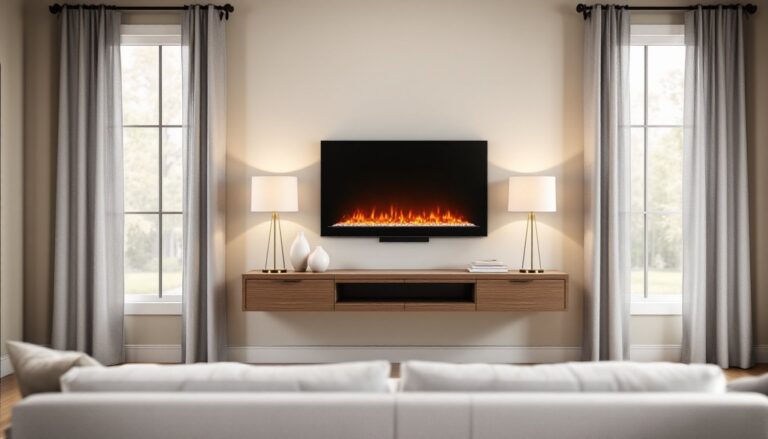
Wall-mounted electric fireplaces are the workhorses of modern electric fireplace ideas for living room design. They hang like a flat-screen TV, requiring only a standard outlet nearby and studs or a mounting bracket rated for the unit’s weight (typically 30–80 lbs). Most models come with a glass front, realistic LED flame effects, and a heater output between 750–1500 watts.
Before mounting, locate studs using a stud finder and mark them with a pencil. You’ll want at least two studs for permanent installation: if studs don’t align with your ideal placement, use heavy-duty toggle bolts rated for drywall anchors, though studs are always preferable. Run the power cord to a nearby outlet or, for a cleaner look, have a licensed electrician install a dedicated outlet behind the unit. Never use extension cords, they’re a fire hazard.
Height matters. Most designers mount them 48–54 inches from the floor to the center of the unit, which feels natural when seated. If you’re mounting above furniture like a low console, go higher (60+ inches) so heat doesn’t blow directly onto stored items. Check the manufacturer’s clearance requirements, typically 6–12 inches from combustible materials like wood trim or cabinets. Modern designs with thin bezels work especially well in tight spaces or apartments where you’re maximizing every square inch. The clean lines complement minimalist and contemporary interiors without demanding much visual real estate.
Freestanding Electric Fireplace Designs and Placement Tips
Freestanding electric fireplaces give you flexibility without permanent installation. Plug them in, position them where you want, and you’re done, a huge advantage if you’re renting or may reposition furniture later. These units range from 24 inches to 50+ inches wide, slot neatly into entertainment centers, corners, or alcoves, and come in finishes from black glass to wood-look frames that blend into existing décor.
When placing a freestanding unit, ensure the power cord reaches an outlet without stretching through high-traffic areas where someone might trip. Position the unit at least 6 inches from walls and never directly against fabric furniture or curtains. Keep the back vent clear, these units expel warm air, and blocked vents reduce efficiency and can overheat the unit’s housing. If you’re setting it on carpet, use a non-skid mat underneath to prevent creeping and reduce dust accumulation around the base.
Electric fireplace decor ideas for freestanding pieces often involve pairing them with console tables or narrow shelving on either side. A 40-inch wide unit with matching 18-inch shelves on each side creates visual balance and gives you space for decorative objects, photos, or candles that reinforce the fireplace aesthetic. The surrounding elements tie everything together, paint the wall behind a warm neutral tone, add sconces above, or frame the setup with a low mantel-style shelf for styling.
Stove-Style Units for Classic Charm
Stove-style electric fireplaces mimic the look of cast-iron wood stoves or traditional potbelly stoves and deliver that cozy, cabin-like warmth homeowners crave. They’re freestanding, typically 20–32 inches tall, and don’t require mounting or venting. Flame effects are often realistic, with glowing ember beds and flickering logs visible through a glass door, some models even include a gentle crackling sound feature.
These units work beautifully in living rooms, bedrooms, or offices where you want a focal point that doesn’t dominate the wall space. Place them on a sturdy, level floor (tile, hardwood, or concrete), never on carpet unless you use a fireplace pad rated for electric units. A decorative fireplace surround ideas approach is to set the stove on a raised stone or brick platform, which adds authentic character without the difficulty of building an actual chimney. The platform also provides thermal protection for flooring below.
Built-In Electric Fireplace Installation Ideas
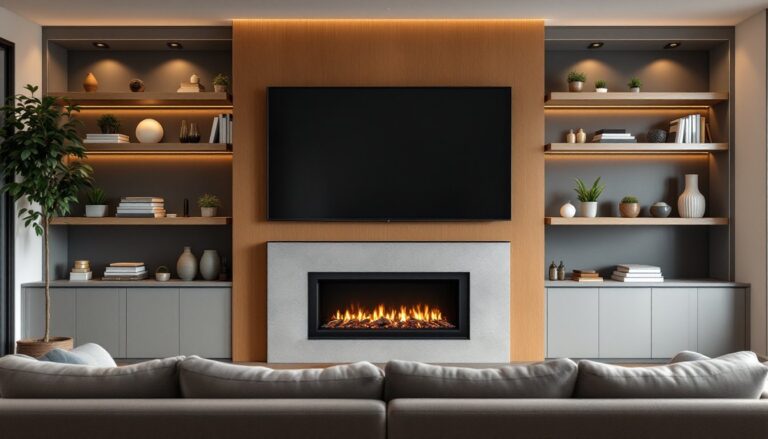
Built-in electric fireplaces involve framing a fireplace unit into the wall structure, making it look permanently integrated. This is more involved than mounting but creates a polished, high-end appearance that adds real estate value and architectural interest. You’ll need to open the drywall, ensure adequate framing, and install the unit so it sits flush or slightly recessed.
Start by finding studs and determining if the unit will fit between two studs or require a header. Most units are 24–42 inches wide. If the opening is wider, you’ll need a header beam (a 2×10 or engineered beam, depending on load and span) to distribute weight. Consult local building codes or, better yet, have a contractor review your plan, structural mistakes aren’t cheap to fix.
Once framing is set, slide the fireplace insert into the opening and secure it per manufacturer instructions, usually with brackets screwed to the frame. Patch drywall around the unit with joint compound, sand smooth, and paint. Many homeowners then build a surround: stone, shiplap, or sheetrock trimmed with moulding. A 2-inch frame around the unit looks intentional and finished. Don’t skip the clearance requirements, check your manual for distance from studs, headers, and any materials you’re using for trim.
Built-ins demand more planning but reward you with a fireplace that looks custom-built. Pair it with a mantel shelf (cut from 1×10 or 1×12 lumber, secured to studs above the unit) for a place to style decor. The mantel becomes its own design element, add greenery, candles, family photos, or seasonal items. Modern designs often favor a sleek, minimalist mantel, while traditional spaces benefit from ornamental corbels or brackets underneath.
Styling Your Electric Fireplace With Decor and Mantels
Electric fireplace surround ideas often rely on the materials and finishes you choose. Stone veneers (stacked slate, faux brick, or cultured stone) add texture and warmth: they’re real materials cut thinner than full stone, making them lighter and easier for DIYers to install with proper adhesive and grout. Shiplap, 1×6 or 1×8 boards run horizontally, creates a farmhouse aesthetic and works with or without paint. For a contemporary approach, sleek black or dark gray tile, cement board, or even a simple painted accent wall behind the fireplace draws focus without competing for visual weight.
The styling your electric fireplace with decor involves balancing color, texture, and arrangement. A light wall (white, cream, soft gray) around a dark fireplace insert creates contrast. Warm wood tones, leather furniture, and brass or copper accents complement flame effects beautifully. Avoid clutter, a symmetrical pair of table lamps or vases on either side of a mantel feels intentional: scattered knickknacks distract from the fireplace’s focal power.
Mantel styling follows simple rules: anchor with a larger central piece (a mirror, artwork, or decorative object), then flank with smaller items. Keep the top third of the mantel open for visual breathing room. Greenery (real or high-quality faux) adds organic warmth: garland wrapped loosely around mantel brackets softens hard lines. For seasonal décor, swap out accessories quarterly. Avoid placing heavy objects directly above the fireplace, a well-mounted frame or lightweight mirror is fine, but ensure nothing hangs so low it blocks heat from rising naturally into the room.
Budget-Friendly and Energy-Efficient Considerations
Electric fireplaces cost far less than gas inserts or wood-burning units. Freestanding models run $200–$800: wall-mounted or insert units start around $300–$1,500 depending on size and features. Built-in installations, including framing and surround materials, typically run $1,500–$4,000+, but you’re investing in a permanent home feature that buyers notice.
For energy efficiency, look for units with adjustable heat settings. A 1,500-watt heater on low mode uses about as much electricity as a space heater, roughly 0.45 kWh per hour. Running it 8 hours daily costs around $8–$12 monthly (varies by regional electricity rates). The flame effect consumes minimal power: you can run it visually without heat in warmer months. Smart models let you schedule on/off times or adjust via phone app, adding convenience and preventing accidental all-night operation.
Zoning is the key energy win. Heat the room where you’re sitting rather than conditioning your entire home. A built-in fireplace in a living room allows you to lower the central thermostat by 2–3°F while the fireplace supplements warmth, easily offsetting its operating cost. Insulating your room well, sealing drafts, adding thermal curtains, ensuring windows close tightly, maximizes every BTU the fireplace produces. Energy codes vary by region, so check your local requirements before installing, especially for built-ins, which may require inspection.
Conclusion
Electric fireplace ideas range from simple plug-and-play freestanding units to sophisticated built-in installations that permanently anchor a room’s design. The right choice depends on your space, budget, and commitment level. Wall-mounted designs maximize square footage: freestanding stove-style units deliver classic charm with zero installation fuss: built-ins offer polished, custom appeal for homeowners planning long-term. Regardless of type, thoughtful styling, material choice, color coordination, and mantel arrangement, transforms an electric fireplace from a functional heat source into a genuine focal point. Start with honest assessment of your goals, measure twice, and don’t skip the prep work. The result is a warm, inviting space you’ll enjoy for years.