Table of Contents
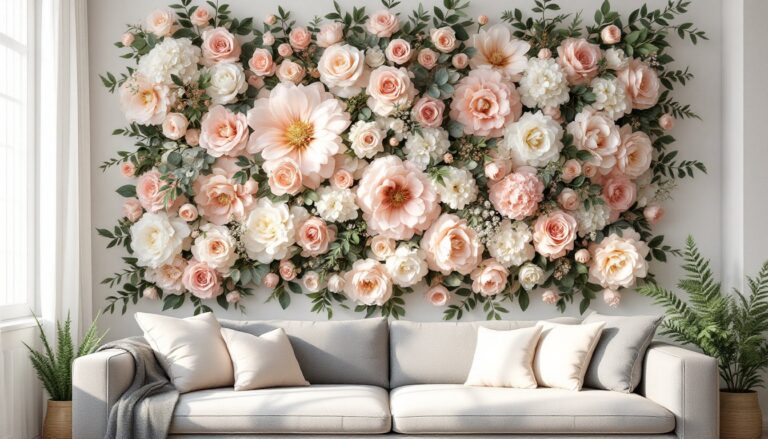
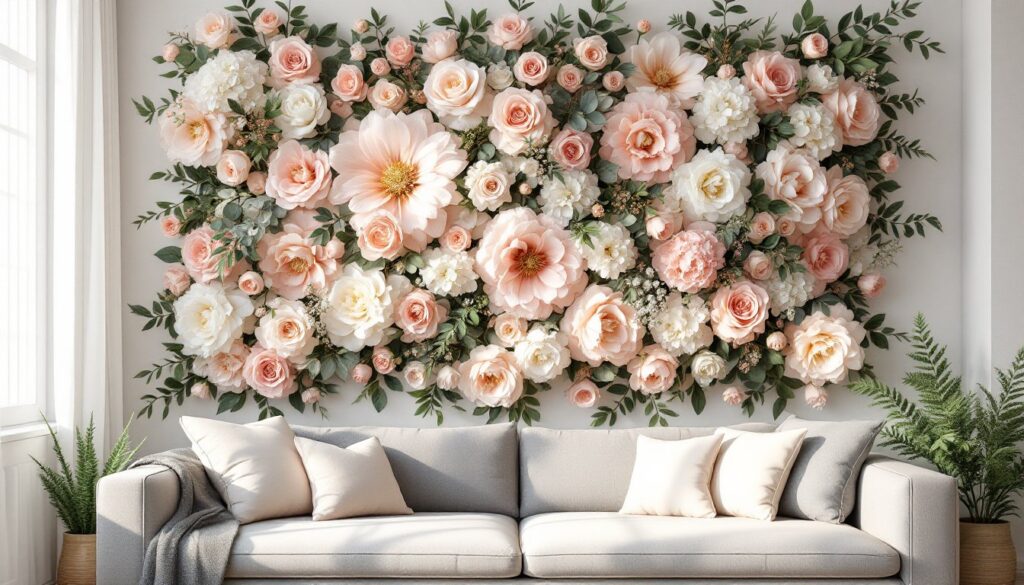
ToggleA flower wall, whether lush with fresh blooms or sustainably crafted from artificial options, transforms a plain wall into a living focal point that genuinely stops people mid-conversation. Unlike standard wall art, flower wall decor brings dimension, color, and softness that photographs can’t replicate. Homeowners and renters alike are embracing flower walls in living rooms, entryways, and bedrooms as a way to refresh their spaces without major renovation. This guide walks you through selecting materials, designing layouts, installing your flower wall, and keeping it looking fresh season after season.
Key Takeaways
- Flower wall decor instantly transforms any room by adding dimension, color, and texture that creates a lasting conversation starter while reducing stress and boosting mood through the psychological benefits of plants and flowers.
- Choose between fresh flowers (labor-intensive but stunning for events, costing $200–$400 weekly) and high-quality artificial blooms (one-time investment of $400–$1,200 with minimal maintenance), depending on your lifestyle and commitment level.
- Successful flower wall design requires filling 70–80% of wall space with thoughtful color palettes (monochromatic, complementary, or patterned arrangements) and a 40–60% greenery-to-flowers ratio to create visual depth and prevent an overdone look.
- Proper installation depends on your base structure (wooden frames mounted to studs or floral foam with heavy-duty toggle bolts), wall preparation, and daily maintenance for fresh walls—including watering and monitoring for wilting.
- Artificial flower walls require only occasional dusting every 2–3 weeks and seasonal rotations, making them ideal for busy homeowners, while fresh walls demand daily attention and weekly flower replacements over 1–2 week cycles.
- Apartment dwellers can use removable adhesive products and avoid permanent damage by patching holes with color-matched spackle, allowing flower wall decor to enhance rental spaces without risking security deposits.
What Is Flower Wall Decor and Why It Matters
Flower wall decor is a vertical arrangement of fresh or artificial flowers mounted directly to a wall surface. It’s essentially a living (or lifelike) mural that adds instant personality to any room. Unlike framed botanical prints, a flower wall creates actual depth and texture, you can see and feel the arrangement from multiple angles.
Why does it matter? A flower wall for living room spaces makes the area feel intentional and designed, not just furnished. It softens hard edges and draws the eye upward, making rooms feel taller and more open. The psychological impact is real: studies in environmental psychology show that views of plants and flowers reduce stress and boost mood. Whether you’re hosting guests or just living in the space, a well-designed flower wall becomes the conversation starter in your home. Plus, it’s one of the few decor projects that works equally well in modern minimalist, bohemian, farmhouse, or eclectic interiors.
Choosing the Right Flowers and Materials
Before you commit to a design, you need to nail down whether you’re going fresh or artificial, and what base structure will hold everything together.
Base Structure Options:
You’ll need a backing to attach flowers to. A wooden frame (simple 1×2 lumber or plywood) bolted directly to studs works great. Alternatively, floral foam boards (rigid green boards designed for arranging) can be mounted to the wall with heavy-duty command strips or fasteners. Floral foam is cheaper and lighter, ideal for renters or gallery walls where you don’t want to drill into studs.
What About the Wall Itself?
Check what’s behind your drywall before drilling. Use a stud finder to locate framing: always anchor major pieces into studs or use toggle bolts for drywall. If you live in an apartment, confirm your lease allows wall modifications. Adhesive strips and magnetic mounts exist, but they can’t support the weight of a large fresh flower arrangement or a dense artificial wall over time.
Fresh vs. Artificial Blooms for Your Space
Fresh flowers are stunning but demanding. Roses, peonies, and hydrangeas last 5–10 days in a typical room: you’ll need to mist, water, and replace blooms weekly. They’re labor-intensive and pricey if you’re refreshing every week. Fresh walls work best for events, weddings, parties, or short-term displays, or if you’re willing to treat maintenance as part of the decor routine.
Artificial flowers have come a long way. High-quality silk or polyester blooms now rival fresh flowers in appearance, and you get year-round color without wilting. Faux options are perfect for high-humidity bathrooms, low-light hallways, or busy homeowners. The downside? Poor-quality artificial flowers can look plastic and dated. Spend more upfront on realistic blooms: look for hand-painted petals, natural stem variations, and high-thread-count fabrics. Brands specializing in craft-grade silk flowers deliver better results than bargain-bin options.
Cost Reality:
Fresh flowers for a 4×6 foot wall cost $200–$400 weekly and require 2–3 hours of maintenance. A one-time artificial installation runs $400–$1,200 depending on size and quality, then requires only occasional dusting. Do the math for your lifestyle before committing.
Design Styles and Layout Ideas
Your flowers need to work with the room’s existing palette and style. A flower wall isn’t just decoration, it anchors your interior design.
Wall Placement:
Hang flower wall decor for living room spaces above a sofa (the biggest visual anchor), behind a console table in an entryway, or on a bedroom accent wall above the bed. Avoid placing it directly opposite a window where changing light throughout the day will make colors shift unpredictably. Corner placements often look awkward: flowers read best on wall surfaces that feel intentional and centered.
Scale and Density:
Don’t be timid. A sparse arrangement reads as incomplete: fill at least 70–80% of your chosen wall space. A 4×4 foot grid is a safe starting point for living rooms: larger walls benefit from 5×8 foot installations. Think of density like a landscape painting, you want foreground (larger blooms), middle ground (medium flowers), and background (filler greenery). Overlapping and layering flowers in groups of 3 or 5 creates visual rhythm.
Color Palettes and Arrangement Patterns
Monochromatic Magic:
Stick to one color family, whites, blush pinks, or rich burgundies, and layer different flower types within that range. This creates sophistication without chaos. A blush rose wall with white ranunculus and gray-green eucalyptus feels curated and calming.
Complementary Contrasts:
Pair warm and cool tones: coral peonies with soft blue hydrangeas, or yellow sunflowers with deep purple lisianthus. Ensure neither color dominates: aim for a 60-40 split in favor of your main color. This approach works especially well in modern or eclectic rooms.
Arrangement Patterns:
Geometric grids (rows of uniform flowers) suit minimalist or contemporary spaces. Organic, flowing designs with no clear pattern feel bohemian and romantic. Radial patterns (flowers radiating from a center point) create strong focal points and work beautifully as bedroom accent walls. Experiment with mockups using printed images or actual flower samples before committing, it’s easier to rearrange a digital layout than to rip down a finished installation.
Greenery and Filler:
Don’t skip greenery. Eucalyptus, fern, ivy, or ruscus fill gaps, add texture, and make blooms pop. Aim for 40% greenery to 60% flowers as a rough ratio. This balance prevents the wall from looking overdone and keeps costs reasonable.
Step-by-Step Installation Guide
Installation approach depends on whether you’re using fresh or artificial flowers and your base structure.
1. Prep Your Wall:
Clean the wall thoroughly with a damp cloth and let it dry completely. Remove outlet covers if they’re in the way (turn off power at the breaker first, this is not optional). Mark the area where your flower wall will go using a level and pencil. Use painter’s tape to outline the boundaries: this gives you a visual guide and keeps the wall unmarked.
2. Build or Mount Your Base:
If using a wooden frame, cut 1×2 lumber to frame size and bolt it to wall studs with 3-inch lag bolts. Use a drill with a 5/32-inch bit for pilot holes: this prevents splitting. Ensure the frame sits flush and level, any tilt throws off your entire arrangement.
For floral foam boards, test the mounting system first with a scrap piece and weight (a gallon of water works). Heavy-duty command strips hold up to 18 pounds per pair, but dense fresh flower walls exceed this. Instead, use heavy-duty toggle bolts rated for drywall (50+ pounds per bolt). Space bolts every 12 inches.
3. Condition Fresh Flowers (If Applicable):
Buy flowers 1–2 days before installation when buds are just opening. Trim stems at a 45-degree angle under running water to maximize water absorption. Remove lower foliage (leaves below the waterline rot and foul water). Place stems in flower food and cool water for at least 4 hours before arranging.
4. Arrange on Your Base:
For floral foam, make sure foam is fully hydrated (submerge in water for 30 minutes). Cut stems to 4–6 inches: flowers need contact with foam or water. Insert stems at varying angles, straight, diagonal, forward, to create dimension. Stagger blooms so each one is visible: overcrowding hides flowers and wastes money.
For artificial flowers, simply insert into foam or secure with floral wire and hot glue. Some folks use command strips on individual stems, but this is slow and less secure for large installations.
5. Secure and Inspect:
Step back frequently. Rotate your perspective, view from sitting height, standing, and near the wall. Fix any tilts or gaps before finishing. If using fresh flowers, ensure water reaches all stems: add water daily (daily watering is non-negotiable for fresh walls).
6. Finishing Touches:
Trim any protruding wires or foam edges with a utility knife. Add a mister bottle nearby if the wall is fresh, misting flowers extends bloom life and keeps humidity up. For artificial walls, use a soft brush or compressed air to dust weekly.
Maintenance and Longevity Tips
Your flower wall’s lifespan depends entirely on how you treat it.
Fresh Flower Walls:
Commit to daily watering (non-negotiable). Check water levels every morning and top up as needed, dried-out foam shortens bloom life dramatically. Keep the wall away from direct sunlight, heating vents, and air conditioning drafts: these factors accelerate wilting. Expect to swap out flowers every 5–10 days depending on variety. Roses and carnations last longest: ranunculus and sweet peas wilt faster. Accept that fresh walls are seasonal events, not permanent fixtures. Budget for weekly or bi-weekly flower refreshes: it adds up financially and time-wise.
Artificial Flower Walls:
Dust gently with a soft microfiber cloth or soft-bristle brush every 2–3 weeks. Avoid harsh chemicals, water mixed with a drop of dish soap works fine. Sunlight fades silk flowers over time, so rotate or replace sun-exposed sections every 1–2 years if the wall gets strong afternoon light. Store leftover flowers in clear plastic bins in a cool, dry place: they’ll hold color and shape indefinitely.
Seasonal Rotations:
Switch out your flower wall with seasons. Warm blush tones in spring, bold multi-colors in summer, burnt oranges and burgundies in fall, and silvery whites in winter. This keeps your decor feeling fresh without major overhauls.
When to Refresh Completely:
Fresh walls last 1–2 weeks per installation cycle. Artificial walls last 1–3 years depending on sunlight exposure and material quality. When colors fade noticeably or stems get brittle, it’s time to replace. Don’t fight deterioration, it shows. A sad, drooping flower wall reads worse than no wall at all.
Pro Tip for Apartment Dwellers:
If you’re renting, use removable adhesive products and avoid drilling into studs. When you move, remove the wall carefully and fill holes with color-matched wall spackle. Most landlords won’t dock deposits if you patch properly. For a more permanent solution, companies like Young House Love have documented removable installation techniques for renters that avoid lasting damage.
For detailed DIY decor project inspiration, sites like The Spruce Crafts and Addicted 2 Decorating offer room-specific tutorials that complement flower wall projects with complementary designs.
Final Thoughts
A flower wall transforms a room faster than almost any other single project. Whether you choose fresh blooms for a special event or invest in quality artificial flowers for year-round impact, the key is thoughtful planning, good base structure, realistic material expectations, and honest assessment of your maintenance willingness. Start with a small 3×3 foot test section if you’re nervous: success there builds confidence for larger installations. Your flower wall won’t just decorate your space: it’ll change how the room feels every single day.