Table of Contents
ToggleA small bedroom doesn’t have to feel cramped or uninviting, it just needs a smarter layout and some strategic choices. If you’re designing a girl’s bedroom in a tight space, you’re actually working with an advantage: every design decision matters more, so thoughtful planning pays off faster. The key is layering function with personality, using vertical space instead of spreading across the floor, and choosing pieces that earn their square footage. Whether you’re working with a 70-square-foot room or a cozy alcove, these girl bedroom ideas for small rooms show how to make the space feel bigger, brighter, and genuinely livable.
Key Takeaways
- Vertical storage through floating shelves, wall-mounted organizers, and lofted beds maximizes usable floor space in small girl bedrooms while keeping the room feeling open.
- Light, cohesive color palettes with soft pastels and neutral tones make small rooms feel larger and brighter, with white or very light ceilings being essential.
- Layered lighting combining ceiling fixtures, wall sconces, and task lights creates flexibility and prevents small rooms from feeling dark and cramped.
- Multipurpose furniture like captain’s beds with storage, wall-mounted desks, and ottomans with hidden compartments ensures every piece earns its square footage.
- Removable decor and textiles including peel-and-stick wallpaper, throw pillows, and area rugs allow girls to express personality without permanent commitments.
- Strategic furniture placement and rugs create distinct sleeping, study, and hangout zones without permanent walls, keeping the room functional and breathable.
Use Vertical Storage to Reclaim Floor Space
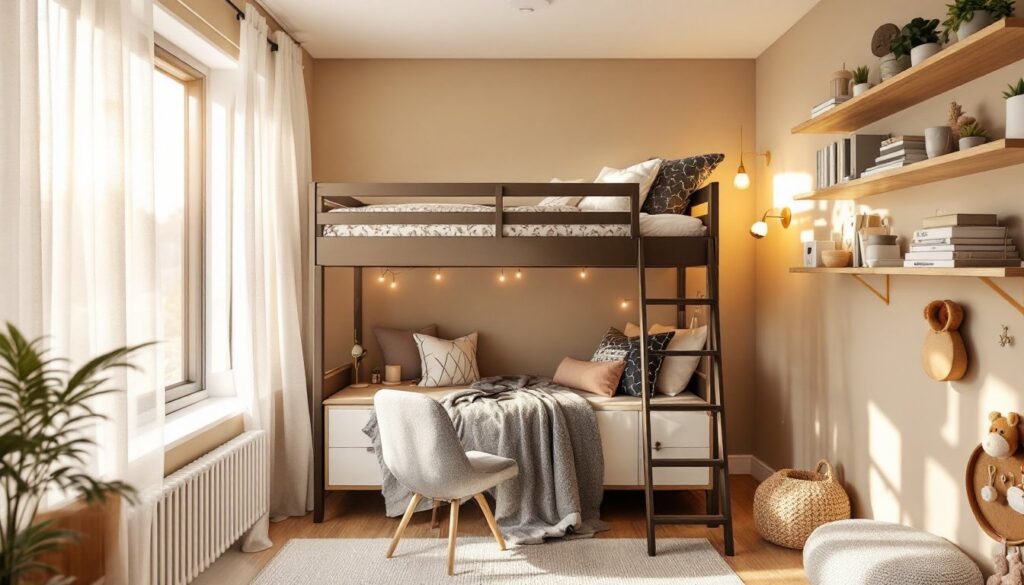
In a small room, wall space is your best friend. Instead of pushing a dresser into a corner or stacking storage boxes on the floor, go up. Install floating shelves 12 to 16 inches apart along one wall, this gives you display space, keeps books and decor accessible, and costs far less than built-ins. For actual clothing storage, a tall, narrow wardrobe or closet system with shelves and rods uses vertical real estate without eating floor area.
Consider over-the-door organizers for shoes, belts, and small items. Wall-mounted pegboards work well for hats, bags, and jewelry while doubling as decor. If you’re handy with basic carpentry, adding shelving is a straightforward project: locate wall studs with a stud finder, use heavy-duty brackets rated for the load, and secure them with lag bolts into the studs themselves, never into drywall alone. A typical 24-inch floating shelf with proper bracketing holds 30 to 50 pounds comfortably.
Lofted beds are another smart vertical move if ceiling height allows (minimum 7 feet clearance, ideally 8). A lofted bed opens the area beneath for a desk, seating, or more storage. Make sure the bed is anchored securely to wall studs, a quality loft kit includes all hardware, but verify that it’s rated for your daughter’s weight plus movement.
Choose a Light, Cohesive Color Palette
Light colors naturally make rooms feel larger. Soft whites, pale pastels, and warm neutrals bounce light around and keep walls from feeling like they’re closing in. Pick a primary wall color, pale pink, soft gray, or warm white, and stick with it on at least three walls. A single accent wall in a slightly deeper tone (think dusty rose or sage green) adds depth without overwhelming the space.
Colorful decor and textiles let her personality shine without the visual weight of dark walls. A pale ceiling is non-negotiable in small rooms: painting it white or a very light tint makes it feel higher. Avoid dark colors on large surfaces unless the room has excellent natural light. According to design trends discussed on House Beautiful, soft, muted tones create a calming backdrop that actually makes small spaces feel more open.
Keep trim and doors the same color as walls to create visual continuity and eliminate jarring lines that slice up the room. If you’re repainting, use quality primer and semi-gloss or satin finishes on trim for durability and easy cleaning, girls’ rooms take a beating. Plan for two coats and proper ventilation: open windows during and after application, and let primer cure fully before painting the finish coat.
Layer Lighting for Ambiance and Function
Poor lighting makes small rooms feel even smaller and gloomier. Instead of a single overhead fixture, create layers: a ceiling light for task work, wall sconces on either side of the mirror or bed for reading, and a small lamp on a nightstand or shelf for ambient light. This approach gives flexibility, she can brighten the whole room for assignments or dim it for reading.
Recessed lighting or track lights work well if you’re willing to do minor electrical work (or hire an electrician). LED bulbs are a must: they run cool, last years longer than incandescent, and use a fraction of the energy. A 40-watt equivalent LED gives plenty of light without heat buildup in a small, already-warm space. String lights or fairy lights add personality without needing permanent installation, just hang them with removable hooks or adhesive clips.
For natural light, keep windows uncluttered. Sheer curtains let light in while providing privacy, and they take up minimal visual space. If privacy is a concern, layer sheer panels with a roller shade behind them so you can adjust as needed. Avoid heavy, floor-to-ceiling drapes in small rooms: they absorb light and make walls feel cramped. A good reading light matters more than you’d think, it’s where she’ll spend study time, so proper task lighting prevents eye strain.
Invest in Multipurpose Furniture That Works Harder
Every piece in a small room should earn its square footage by doing double duty. A bed with built-in drawers underneath (called a captain’s bed) provides storage without needing a separate dresser. A desk that folds against the wall or doubles as a vanity saves space. Ottomans with hidden storage hold blankets and pillows while serving as a seat. Living Room Furniture Ideas can inspire multipurpose solutions that work in bedrooms too, many principles of small-space living apply across rooms.
Look for furniture with open legs rather than solid bases: seeing through to the floor visually lightens the room. A wall-mounted desk or fold-down table uses wall real estate you can’t live in anyway. If she needs a workspace, this is smarter than a traditional desk that dominates floor space. Measure carefully before buying: bedroom furniture in small spaces is like carpentry, half the work is precise measurement. Most teenage girls need at least 30 inches of clear workspace (desk depth), so factor that in.
Avoid low-profile beds if storage is tight: platform beds with drawers or a bed frame that allows under-bed storage containers are far more practical. Make sure any multipurpose furniture is quality, budget pieces wobble and fail faster, especially captain’s beds that take daily use. It’s worth spending extra on a solid frame.
Add Personality With Removable Decor and Textiles
Painted walls and built-ins lock you in, but textiles and removable decor let her express herself without commitment. Throw pillows, blankets, and a quality rug anchor the room and can shift with her changing tastes. A soft, machine-washable rug (6 feet by 8 feet works for most rooms) defines the sleeping area and feels cozier than bare floor. Choose fabrics that hold up, cotton blends and performance fabrics clean easier than delicate materials.
Wall art, decals, and tapestries add visual interest without paint commitment. Removable wallpaper (peel-and-stick) can freshen an accent wall for under $100, and it peels off cleanly without damage when she’s ready for change. Posters, canvas prints, and string lights can all hang from picture rails or adhesive hooks rated for the weight. Avoid permanent wallpaper in small rooms unless you’re certain it’s the right call, it intensifies the space visually.
Layered textiles make rooms feel cohesive and cozy. A patterned duvet, coordinating pillows, and a throw blanket create depth and warmth without overwhelming tight footage. Swap out seasonal textiles to keep the space fresh, lightweight linens for summer, heavier knits for winter. Textile design inspiration from MyDomaine shows how layered fabrics work in compact spaces. Curtains, rugs, and bedding in complementary colors create visual harmony that makes rooms feel intentionally designed rather than cramped.
Create Distinct Zones Without Walling Off
A small bedroom often needs to function as sleeping space, study area, and hangout zone. Rather than building permanent walls (which require permits and shrink the room further), use furniture placement and lighting to define zones. A desk against one wall, the bed on another, and a small seating area in a corner create mental separation without structural changes. Shelving can act as a subtle divider between zones while maintaining sightlines that keep the room feeling open.
Rugs are your invisible wall tool: different rugs under different zones suggest separate areas without closing them off. A 5-by-7-foot rug under the bed, a smaller 3-by-5-foot under the desk, and a floor cushion on its own spot create definition. This approach also helps with sound, soft furnishings muffle noise better than bare walls and floor, so studying near the bed feels more separate from sleeping.
Small seating like a floor cushion, a single chair, or a window seat (if you have window space) gives her a place to hang out with friends that isn’t the bed. This is crucial in small rooms, having one dedicated “guest” spot makes the room feel more social. Apartment Therapy discusses how zone creation in small spaces uses furniture and color shifts rather than walls. A soft change in color or lighting signals a zone shift without needing physical barriers. This keeps the room breathable while still giving her multiple functional spaces.
Conclusion
Small spaces reward thoughtfulness. By choosing vertical storage, light colors, layered lighting, and furniture that works harder, you transform tight footage into a room that actually functions well. Removable decor lets her stamp it with personality, and smart zoning means the space adapts as she grows. The best small bedroom feels intentional, not compromised, and that’s entirely achievable with planning and the right priorities.