Table of Contents
ToggleDesigning a living room in Bloxburg, Roblox’s popular home building game, mirrors real interior design challenges: you want a space that’s functional, visually cohesive, and true to your style. Whether you’re drawn to sleek minimalism, warm-and-inviting comfort, or contemporary sophistication, the choices can feel overwhelming. This guide walks you through 15 practical living room ideas that balance aesthetics with smart spatial planning. You’ll find actionable tips for color selection, furniture layout, lighting, and accessories that work whether you’re building on a tight virtual budget or going all-in on premium decor. These concepts apply whether you’re a Bloxburg regular or just starting your first home project.
Key Takeaways
- Bloxburg living room ideas succeed when you start by defining your style—minimalist, cozy, or contemporary—then build your color palette, furniture, and lighting around that core identity.
- Prioritize spending virtual currency on the largest, most visible pieces like sofas and rugs first, then maximize impact with budget-friendly elements like paint, rearrangement, and strategic wall decor.
- Layer three types of lighting (ambient, task, and accent) with warm color temperatures (2700K) to create an inviting atmosphere that adjusts the room’s energy throughout the day.
- Master furniture scale and layout by matching piece sizes to your room dimensions, arranging seating to face each other or toward focal points like fireplaces, and using negative space intentionally.
- Enhance your Bloxburg living room with curated accessories—2–3 coordinating throw pillow patterns, mirrors to expand perceived space, and plants to soften hard edges—without visual overwhelm.
- Experiment with color schemes (monochromatic, complementary, or analogous) and mix materials strategically to create visual interest while maintaining a cohesive, functional design.
Minimalist Living Room Designs
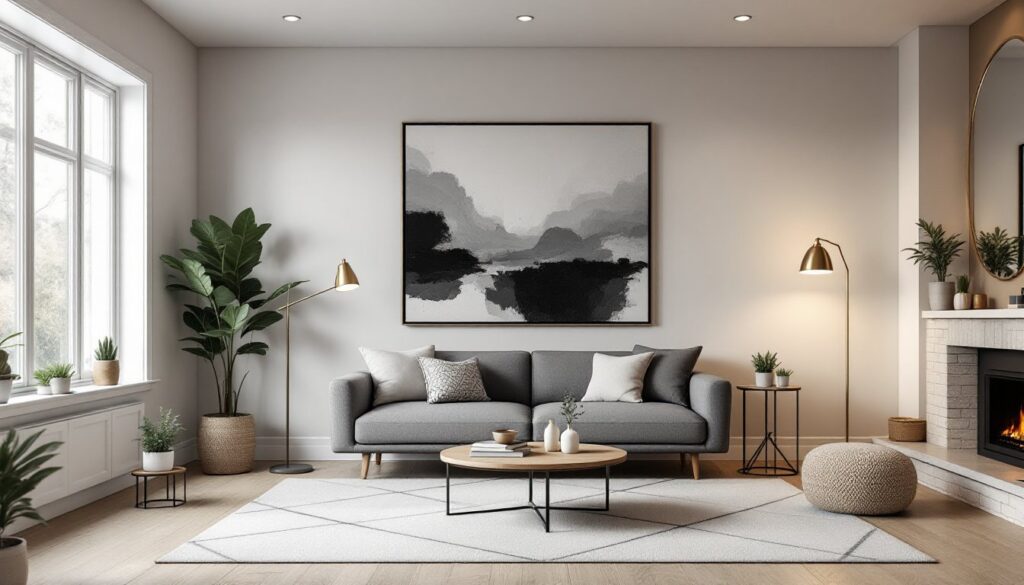
Minimalist living rooms thrive on restraint. Start with a neutral palette, whites, soft grays, or warm beiges, as your foundation. Choose one statement piece: a sleek sofa, a striking accent wall, or a carefully selected art installation. Keep furniture lines clean and functional: avoid ornate details that clutter the visual space. In Bloxburg, this means selecting modern-style sofas, simple wooden tables, and geometric lighting fixtures rather than velvet pieces covered in throw pillows.
Focus on negative space. An empty corner with a single potted plant often says more than a clustered vignette. Place furniture strategically to define zones without cramming in unnecessary items. If storage is needed, choose closed cabinets or built-in shelving that keeps clutter hidden. Lighting should be minimal and intentional, one floor lamp or recessed ceiling lights rather than multiple decorative options. This approach creates a calm, uncluttered atmosphere where every object has purpose.
Cozy and Warm Living Room Aesthetics
Cozy living rooms wrap you in comfort through layered textures and warm tones. Start with earthy colors: terracotta, warm browns, soft oranges, or honey yellows. Add depth by mixing materials, a plush area rug over wood flooring, linen throw blankets draped over a leather sofa, or woven wall hangings behind a seating area. The key is tactile richness without clashing.
Furniture placement matters. Arrange seating to face each other or angle sofas toward a fireplace or window, creating an inviting gathering spot rather than a room that feels like a waiting area. Incorporate soft lighting: warm-toned lamps (avoid bright white bulbs), candles, or a fireplace element all enhance the intimate feel. Add personal touches, family photos, book stacks, or meaningful artwork on walls. When styling a Bloxburg room, seek out furniture with texture: velvet cushions, upholstered chairs, and natural wood finishes. How to Style a Living Room guides offer detailed techniques for layering comfort without overdoing it.
Modern Contemporary Layouts
Contemporary design blends modern aesthetics with livability. Think clean lines, mixed materials, and a balanced color scheme, usually neutral backgrounds with 1-2 accent colors. A gray sofa paired with a navy accent chair and brass or gold hardware creates visual interest without chaos.
Layout is architectural. Use symmetry sparingly: an asymmetrical arrangement of a sofa and two different-sized chairs feels current and intentional. Incorporate mixed materials: metal coffee table legs on a wood base, concrete-look shelving with marble accents, or fabric sofas paired with leather ottomans. Flooring often features light wood or polished concrete looks. Artwork should be modern, abstract pieces or geometric prints, hung at proper height (eye level when seated). According to resources like Dwell, contemporary spaces succeed when each element serves both function and form. Storage is built-in or sleek cabinetry, not decorative.
Budget-Friendly Decorating Tips
Working within a virtual budget in Bloxburg requires prioritization. Spend currency on the largest, most visible pieces first: the sofa, primary rug, and main lighting fixture. These anchor the room’s style and are harder to swap out later without feeling awkward.
Next, focus on free or low-cost impact areas. A fresh coat of paint (if your budget allows) transforms a room faster than new furniture. Rearrange existing pieces before buying more: sometimes a simple rotation solves the problem. Use what you already have: stack books on shelves, display decorative items you own, and arrange plants in corners. If you need additional pieces, look for multi-functional furniture, an ottoman that serves as storage and a footrest, a side table that works as a plant stand or display surface. Wall decor costs less than furniture: Living Room Furniture Ideas recommends shifting resources toward art, mirrors, and simple shelving that maximize perceived space and style without major expense.
Color Schemes and Furniture Selection
Color sets the room’s mood before any furniture arrives. Monochromatic schemes (varying shades of one color) feel sophisticated and calming: soft grays, warm whites, and beiges work well. Complementary schemes pair opposite colors on the color wheel, navy and gold, teal and coral, emerald and rust. Analogous schemes use colors next to each other, blues and greens, oranges and yellows, for cohesion.
Furniture selection follows color choice. If you’ve chosen warm, earthy tones, reach for wood frames, upholstered pieces in cream or tan, and leather accents. Cool-toned rooms pair well with metal bases, cool-gray upholstery, and glass or marble surfaces. Scale matters: a small room feels cramped with oversized seating: a large room needs substantial pieces that anchor the space. Interior Design for Living Rooms emphasizes that furniture scale should relate to the wall dimensions and doorway size. Test layouts before buying by sketching or using virtual previews.
Lighting and Accessory Ideas for Living Rooms
Lighting serves dual roles: functional and atmospheric. Layer three types: ambient (ceiling fixture or recessed lights providing overall illumination), task lighting (a reading lamp near seating), and accent lighting (wall sconces, table lamps, or candlelight). This variety lets you adjust the room’s energy throughout the day. Warm color temperatures (2700K) feel inviting: cool tones (4000K) energize.
Accessories should enhance without overwhelming. Throw pillows in coordinating colors add comfort and visual interest: aim for 2-3 patterns that share a common color. Wall art, whether a single large piece or a gallery arrangement, draws the eye upward and defines style, abstract for contemporary, landscapes for cozy, geometric shapes for minimalist. A large mirror reflects light and expands perceived space. Plants bring life: real or virtual, they soften hard edges and add color. Accessories from Homedit showcase how small decor choices, a patterned throw, a carved wooden box, a sculptural vase, create character. Living Rooms with Sectional Sofas pairs sectional furniture with layered lighting and curated accessories for maximum comfort and style.
Conclusion
Building a stunning Bloxburg living room doesn’t require perfection, it requires intention. Start by defining your style (minimalist, cozy, or contemporary), then build around that identity with color, furniture, lighting, and accessories that serve both beauty and function. Don’t feel locked into one aesthetic: blending elements from different styles often yields the most personal, livable spaces. Test layouts, experiment with colors, and adjust as your taste evolves. Whether you’re designing for relaxation, entertaining, or visual storytelling, these 15 ideas provide a solid foundation for creating a living room you’ll genuinely enjoy spending time in.